
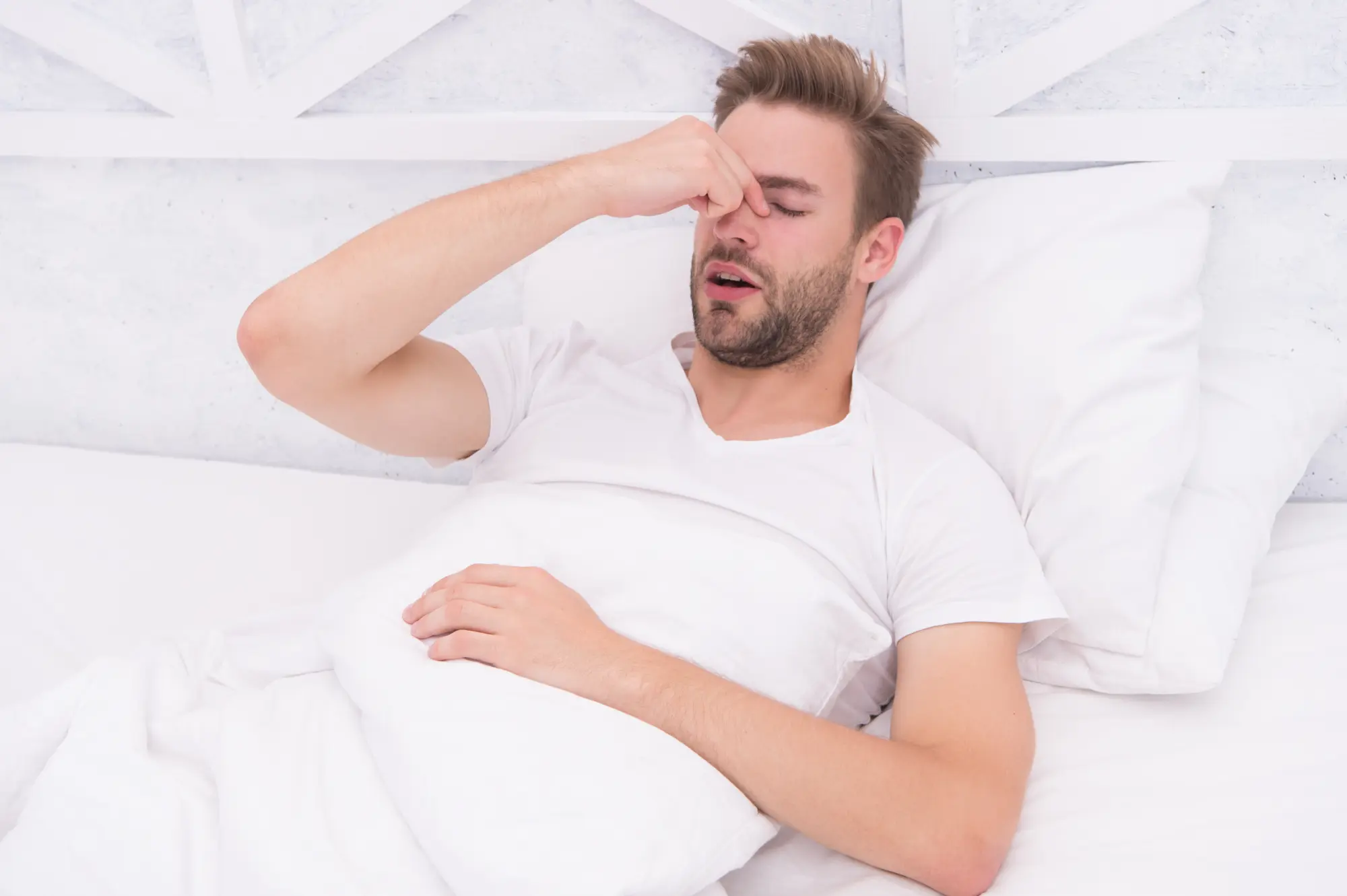
Understanding and Treating Sleep Apnea – A Dentist’s Role at Joshua Austin, DDS & Associates

Sleep apnea is one of those conditions that many people don’t truly understand until they or someone they love experiences it. As a dentist in San Antonio, Texas, I, Dr. Joshua Austin, see firsthand how this disorder affects our patients—not just in their sleep, but in their overall health. At Joshua Austin, DDS & Associates, we believe treating sleep apnea is one of the most impactful ways we can help improve our patients' lives.
But sleep apnea isn’t just about snoring or feeling a little more tired than usual. It’s a serious medical condition that can lead to life-threatening problems. The good news? We can do something about it. And it starts with understanding what sleep apnea is and how it can affect your health.
What is Sleep Apnea?
Sleep apnea is a medical condition where your airway becomes blocked while you sleep, leading to interrupted breathing. This can occur when your tongue falls back into your throat and constricts your airway. The result? You stop breathing for brief moments throughout the night.
This interruption triggers your brain to pull you out of deep, restorative sleep. Even if you sleep for 8, 10, or even 12 hours, you may wake up feeling tired and unrested. You might even wake up multiple times throughout the night without realizing it, and your body never truly gets the rest it needs.
While it might seem like a minor inconvenience, sleep apnea is far from trivial. It can have serious consequences for your overall health and well-being.
Why Sleep Apnea is More Than Just a Sleep Issue
We all know how important sleep is for our health. It’s how we recharge, how our bodies repair, and how we process the events of the day. Without good quality sleep, our bodies and minds can’t function properly.
When you have sleep apnea, your body struggles to get the oxygen it needs. Every time you stop breathing, your body is deprived of that vital life source. Oxygen is the most important thing for our survival—we can live days without food and water, but only a few minutes without oxygen. That’s why, when people with sleep apnea don’t get enough oxygen during the night, their bodies find other ways to cope, including grinding their teeth or developing other dental problems.
But the effects don’t stop there. Sleep apnea can lead to other health problems, such as:
- High blood pressure: The repeated drops in oxygen levels during the night can raise your blood pressure, which can lead to cardiovascular issues.
- Heart disease and stroke: Long-term sleep apnea increases your risk of heart problems and stroke.
- Depression: Chronic sleep disruption has been linked to mental health issues like depression and anxiety.
- Impaired cognitive function: When you don’t get enough restful sleep, your ability to think clearly, make decisions, and retain information suffers.
At our practice in San Antonio, we know how important it is to address sleep apnea—not just for your sleep but for your overall health.
The Link Between Sleep Apnea and Dental Health
You might be surprised to learn that sleep apnea can affect your dental health in significant ways. One of the most common issues we see is teeth grinding. Many people with sleep apnea grind their teeth while they sleep—sometimes so much that they wear down their teeth to almost nothing. This happens because your body prioritizes breathing over protecting your teeth. If your airway is blocked, your body may try to relieve the obstruction by grinding your teeth.
That’s why we, as dentists, are often the first to notice the signs of sleep apnea. We see the wear and tear on teeth, jaw pain, and even gum disease caused by grinding and clenching.
At Joshua Austin, DDS & Associates, we understand that the effects of sleep apnea on your dental health are significant. If left untreated, the damage to your teeth can lead to long-term oral health problems, including tooth loss and periodontal disease. This is why treating sleep apnea isn’t just about helping you sleep better—it’s also about preserving your dental health.
Understanding the Causes of Sleep Apnea
Sleep apnea can have many causes, and for most people, it’s a combination of factors. Some of the most common causes include:
- Obesity: Excess weight, particularly around the neck and throat area, can contribute to the narrowing of your airway, increasing the risk of sleep apnea.
- Narrow or misaligned jaw: If your upper and lower jaw don’t align properly, it can affect the position of your tongue, which can block your airway.
- Neurological issues: In some cases, nerve problems or brain signaling issues can lead to sleep apnea.
- Lifestyle factors: Habits like drinking alcohol, smoking, or eating an unhealthy diet can exacerbate sleep apnea. Alcohol, in particular, relaxes the muscles in your throat, making it more likely for your airway to collapse.
In San Antonio, we see a high prevalence of risk factors like obesity and type 2 diabetes, which contribute to the growing problem of sleep apnea in our community. Identifying these risk factors early and helping patients make lifestyle changes can significantly improve their quality of life.
Diagnosing Sleep Apnea: The Dentist’s Role
At Joshua Austin, DDS & Associates, we take a proactive approach when it comes to diagnosing sleep apnea. During routine exams, we look for signs that may indicate you’re at risk. This can include worn-down teeth, jaw pain, or other dental issues that might suggest sleep apnea.
If we suspect that you have sleep apnea, we’ll refer you to a sleep physician who can conduct a sleep study to determine if you have the condition. The diagnostic process usually involves either a home sleep test or an in-lab sleep study, where your breathing patterns, oxygen levels, and other factors are monitored overnight.
By identifying sleep apnea early, we can help prevent more serious complications like heart disease, stroke, and cognitive decline. And once diagnosed, we work together with other healthcare professionals to ensure you get the care you need.
Treatment Options for Sleep Apnea
There’s no one-size-fits-all approach to treating sleep apnea. The treatment plan depends on the severity of the condition, your overall health, and your preferences. Some common treatments we offer at Joshua Austin, DDS & Associates include:
- Mandibular Advancement Appliance (MAA):
This is a custom-made oral appliance that moves your lower jaw forward, which helps open up your airway by pulling your tongue away from the back of your throat. It’s a non-invasive, effective treatment for mild to moderate sleep apnea and can be a game-changer for many of our patients. - Orthodontic Treatment:
In some cases, orthodontic treatment may be necessary to correct jaw alignment or widen the arch of your mouth, which can help improve airflow. We work closely with orthodontists to design a treatment plan that addresses your unique needs. - Oral Surgery:
For more severe cases of sleep apnea, surgery may be necessary to reposition the jaw or address other structural issues that are blocking the airway. While surgery is a more invasive option, it can provide long-term relief for patients with severe sleep apnea.
No matter the treatment, we ensure that each plan is tailored to your specific needs. We work with you to find the best approach to manage your sleep apnea and improve your health.
Lifestyle Changes to Support Sleep Apnea Treatment
While medical treatments are essential, lifestyle changes can also play a significant role in managing sleep apnea. Here are some steps you can take to reduce the severity of sleep apnea:
- Maintain a healthy weight: For every 10 pounds you gain, sleep apnea can worsen by 10-20%. Losing even a small amount of weight can have a big impact on improving your sleep.
- Avoid alcohol before bed: Alcohol relaxes the muscles in your throat, making it easier for your airway to collapse during sleep. Try to avoid drinking alcohol, especially in the evening.
- Sleep on your side: Sleeping on your back can cause your tongue to fall back and block your airway. Sleeping on your side may help keep your airway open.
- Practice good sleep hygiene: Create a relaxing bedtime routine, avoid screens before bed, and aim for a consistent sleep schedule.
Making these lifestyle changes can complement your treatment plan and help you manage sleep apnea more effectively.
The Risks of Untreated Sleep Apnea
The most serious risk of untreated sleep apnea is death. This may sound dramatic, but it’s the reality. People with untreated sleep apnea are at higher risk for cardiovascular events, such as heart attacks and strokes. In fact, sleep apnea has been linked to high blood pressure, irregular heart rhythms, and even heart failure.
But the risks don’t end there. Untreated sleep apnea can also lead to cognitive decline, depression, and other long-term health issues. The toll it takes on your overall well-being is significant, which is why it’s so important to seek treatment as soon as possible.
Why It’s Essential to Seek Treatment
If you’re suffering from sleep apnea, it’s time to take control of your health. The benefits of treatment go far beyond improving your sleep. With the right treatment, you can reduce your risk of heart disease, stroke, and other serious health conditions. You’ll wake up feeling rested and energized, and your dental health will improve as well.
At Joshua Austin, DDS & Associates, we’re here to help you every step of the way. Whether you need a simple sleep apnea appliance or more comprehensive treatment, we’ll create a customized plan that works for you.
How to Get Started: Consultation and Treatment Plan
If you suspect you have sleep apnea, the best thing to do is schedule a consultation with us. During a 30-minute appointment, we’ll evaluate your dental health, take X-rays or 3D scans of your teeth, and discuss your symptoms. From there, we’ll refer you to a sleep physician for further evaluation and begin discussing treatment options tailored to your needs.
To schedule a consultation, call us at (210) 408-7999. Let’s take the first step toward better sleep and better health today.
Take Control of your Sleep in San Antonio
Treating sleep apnea is one of the most rewarding things we can do as dentists. It’s not just about improving your sleep; it’s about saving your life. Whether it’s through a simple appliance, orthodontics, or surgery, we are committed to helping you find a treatment plan that works. Don’t let sleep apnea affect your health any longer. Reach out to us today and take control of your sleep and overall well-being.